
First Visit

File Opening

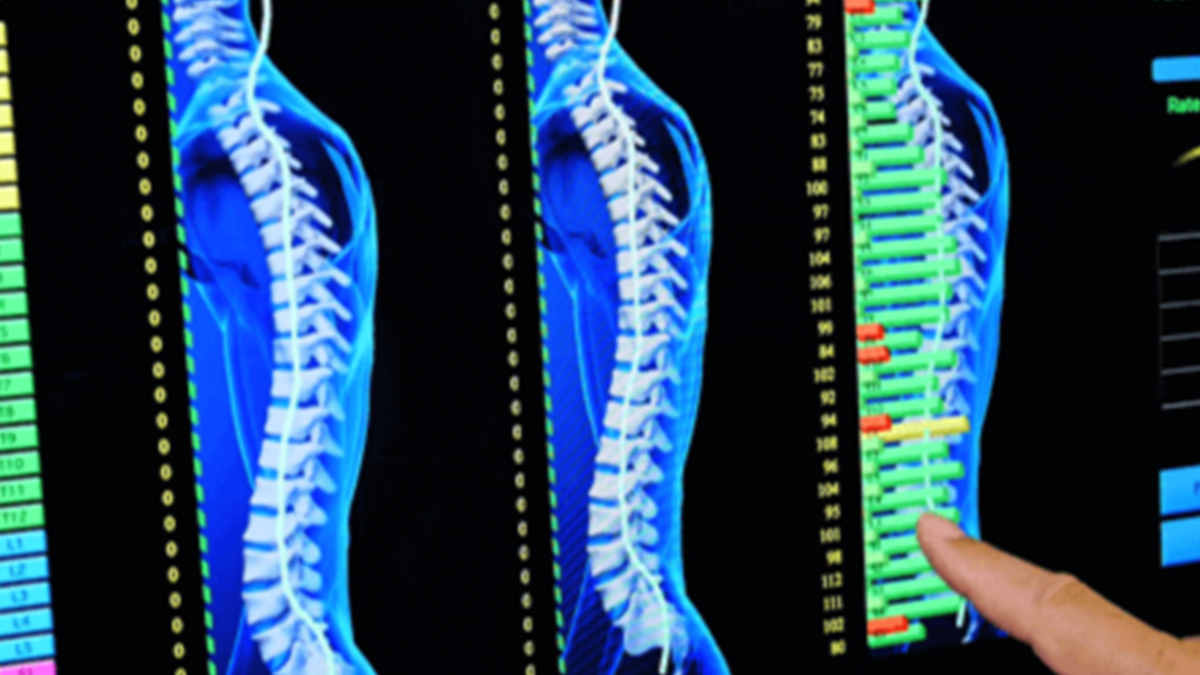
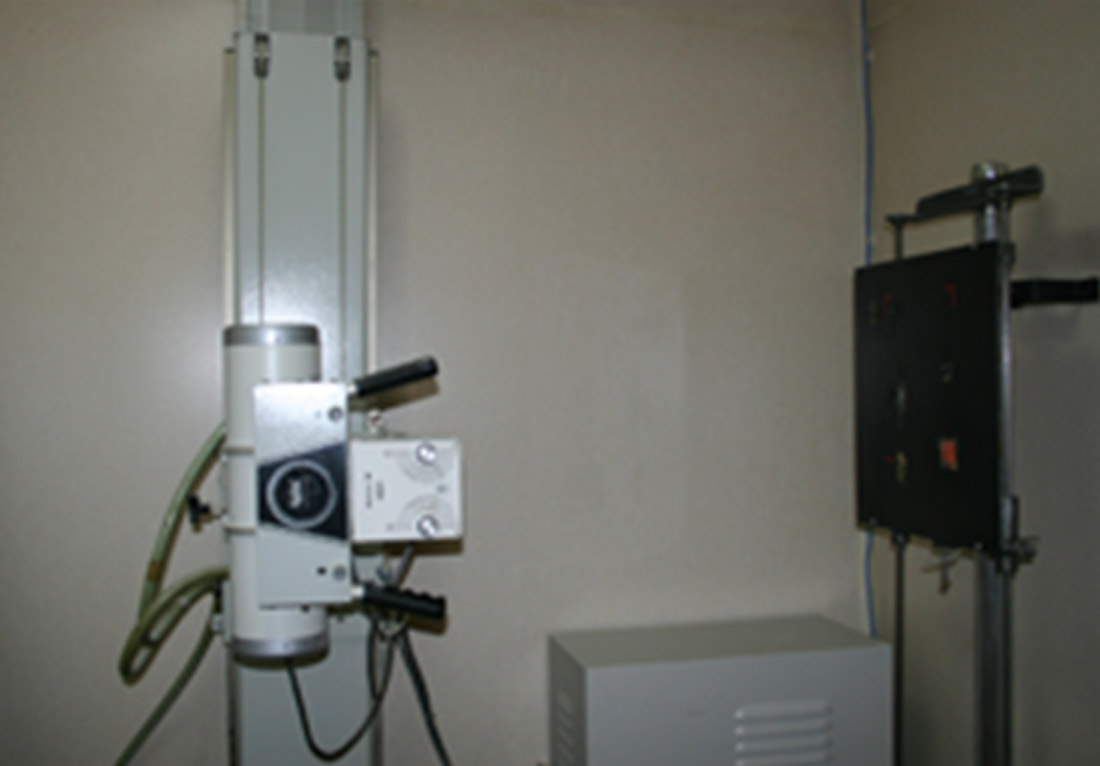
During a first visit, a complete health assessment is performed, including a physical examination, computerized neurological tests (thermography and electromyography), a postural and muscular assessment, vertebral joint palpation, and X-rays taken on-site if the patient’s condition requires them.

Clinical Investigation and Diagnosis

Following the complete health assessment, the patient will receive all the necessary information regarding their condition and the treatment suggested by Dr. Kovaluk.

The recommendations will include chiropractic treatments tailored to the patient, whether through manual therapies, muscular therapies, or computerized technology. Additionally, specific exercises and nutritional recommendations are part of the therapeutic plan.

Computer-Assisted Treatment (PulStar)

This technology is revolutionary in chiropractic care!

It is an effective, gentle, and crack-free technique that makes the treatment very comfortable.

The adjustment is performed using mechanical impulses to reposition the vertebrae into their proper alignment and to balance the nervous system.

During this treatment, you will only feel a slight pressure at the areas being treated.

This technology allows the patient to track the progress of their condition on the computer screen throughout the treatment.

Therapeutic Laser Treatment

This is a safe and effective method approved by the FDA that accelerates the natural healing process of soft tissues (muscles, ligaments, etc.). It also helps reduce inflammation and speeds up the reconstruction of collagen fibers.

Neurovertebral Decompression

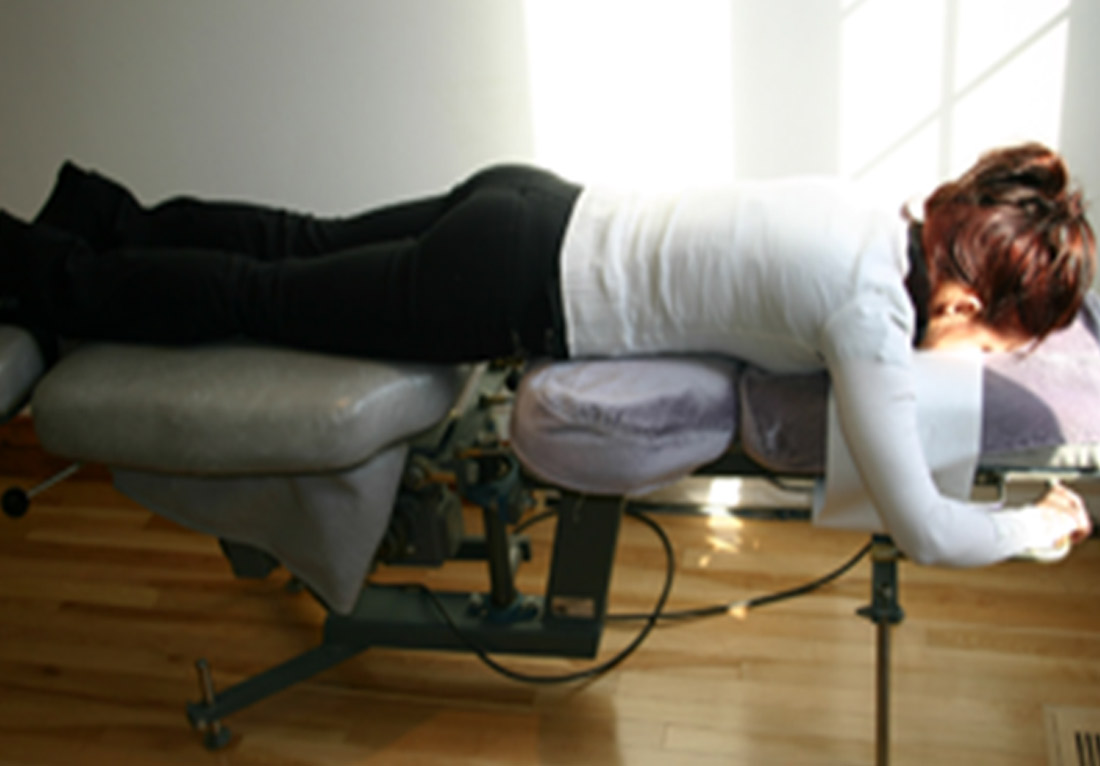
This is a safe treatment option aimed at gently stretching the spine in a controlled manner to create a soft separation between vertebrae and relieve damaged discs. This decompression reduces pressure on the joints and nerves, allowing rehydration and tissue regeneration.

ArthroStim Adjustment Device

The ArthroStim device provides a painless treatment using rapid, controlled, low-amplitude impulses.

It is ideal for individuals who are apprehensive about conventional chiropractic manipulations that create stress with cavitation—the “cracking” phenomenon.

Results

Improvement in your health and quality of life depends on several factors, including your general health, family history, lifestyle, work, frequency and consistency of treatments, etc.

Patient expectations, however legitimate, can sometimes be unrealistic. Miracles and hopeless cases are not within the scope of chiropractic care, and patience is necessary—but how much?

In our clinic, we often use the analogy of a weight-loss program. Who can say how long it will take to lose those extra 15 kilograms? It depends on many factors: physical activity, occasional small indulgences, number of previous diets, your basal metabolism, etc.

Chiropractic care works the same way. Time is your ally. Let it work for you.

What is Chiropractic and How Does It Work?

In short, chiropractic is the science that treats neuro-musculoskeletal discomforts such as chronic headaches and migraines, general back pain, arthritis, osteoarthritis, sciatica, herniated discs, etc., focusing on the structure and function of the spine.

Chiropractic is based on the principle that pain is the direct result of misdirected nerve impulses, “short-circuited” by a vertebral displacement.

Thus, if the nervous system—which is, in a way, the “electrical system” of the human body—is disrupted, there is a high risk of developing a variety of discomforts and problems.

Since the spine and the nervous system are interdependent and inseparable—just as your teeth and gums are—the malfunction of one will inevitably affect the function of the other. For example, if a patient has a vertebral displacement in the cervical region, it is not uncommon to observe symptoms as varied as headaches, blurred vision, dizziness, ringing in the ears, and more.
Contact Us